
In the dynamic realm of email marketing, organization emerges as a decisive factor for success. Businesses that invest time in mapping out their communication strategies often see better results in terms of audience response and overall impact. A carefully designed content calendar helps maintain consistency while allowing room for creativity and adaptation to emerging opportunities. Rather than reacting to immediate pressures, teams can proactively address upcoming trends and align their messaging with larger business cycles.
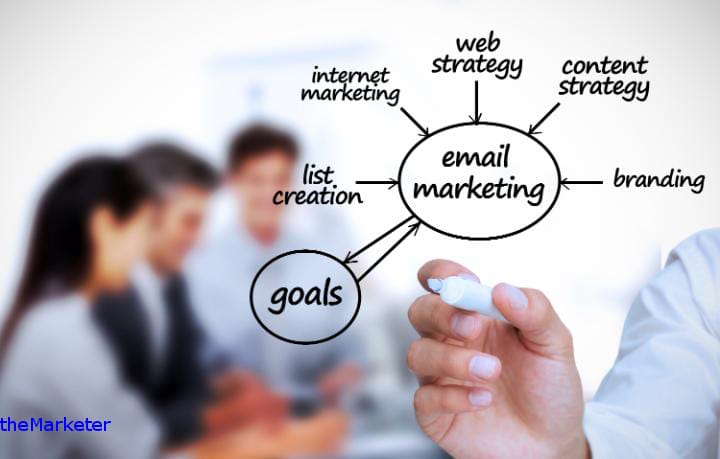
Establishing Clear Objectives from the Start
Every effective plan begins with a solid understanding of desired outcomes. Decision makers should consider what specific behaviors they want to encourage among their readers. Perhaps the focus centers on increasing website visits, promoting upcoming events, or simply strengthening brand affinity. These foundational choices influence everything from tone to topic selection. Without this initial clarity, efforts can become scattered and less effective over time.
Choosing the right tools can also make it easier to turn audience insights into consistent communication. Resources such as themarketer.com can support marketers in exploring strategies, trends, and practical approaches for creating more relevant campaigns. By combining these resources with direct feedback and audience data, decision makers can refine their messaging while maintaining a clear focus on long-term engagement.
Gaining insights into subscriber preferences requires more than guesswork. Surveys, feedback forms, and direct interactions reveal what truly matters to the people receiving your messages. When content addresses their actual pain points or aspirations, it creates a sense of connection that generic approaches rarely achieve. This audience-centric mindset forms the core of any sustainable communication effort. Over months and years, these relationships compound, turning one-time readers into advocates who eagerly anticipate your next update.
Developing Rich and Varied Content Ideas
With objectives defined, attention turns to generating material that captures interest and provides genuine value. Effective calendars feature a mix of content categories spread across different periods. Educational articles might alternate with customer spotlights or industry analysis to keep things fresh and informative. This variety ensures that different personality types within your audience find something that appeals to them personally.
Team collaboration during the ideation phase often yields the most promising concepts. Different departments bring unique viewpoints that enrich the overall pool of possibilities. For example, product teams can highlight features in meaningful ways that demonstrate real-world applications, while support staff might suggest helpful troubleshooting guides based on common inquiries they handle regularly. Marketing professionals can then weave these ideas into cohesive narratives that resonate on multiple levels.
Avoiding repetition stands as a constant challenge that requires vigilance. Rotating through various angles and perspectives prevents the feeling of sameness that can cause even loyal subscribers to lose interest over time. Stories from real users add authenticity, expert interviews lend credibility, and practical how-to pieces deliver immediate utility. Each type serves distinct purposes and helps build a comprehensive content ecosystem that supports the overall strategy.
Determining Optimal Frequency and Timing
Finding the right balance in delivery schedule demands both data and intuition. Some groups respond well to frequent contact that keeps the brand top of mind, while others prefer less frequent but more substantial communications that feel like events rather than routine updates. Testing various approaches and carefully monitoring the outcomes helps identify the sweet spot for your particular situation and industry.
Planning several weeks or months ahead provides the luxury of thorough preparation that shows in the final product. Each item receives proper attention to detail, from crafting compelling subject lines that boost open rates to polishing final drafts until they shine. Buffer time built into the schedule accommodates unforeseen circumstances like staff absences or urgent company news that needs incorporation without disrupting the flow.
External calendars play an important role too. Major holidays, cultural events, and industry conferences all affect when people are most likely to engage with incoming messages. Strategic placement around these moments can amplify reach and relevance considerably. However, sensitivity to current events remains important, as poorly timed communications can create negative associations if they seem out of touch with what is happening in the wider world.

Blending Different Formats for Maximum Appeal
Diversity in presentation keeps audiences engaged and looking forward to future deliveries with anticipation. While some prefer in-depth reads that explore topics comprehensively, others appreciate quick tips they can absorb during brief breaks in their busy days. Including visual elements such as infographics, polls for interaction, or links to additional resources adds layers of interactivity that enhance the overall experience and cater to different learning styles.
Seasonal themes offer excellent opportunities for timely relevance that feels natural and unforced. Content tied to current events or annual observances feels more immediate and applicable to the reader's life at that particular moment. The art lies in weaving these elements naturally rather than making them seem contrived or overly commercial in nature. When done well, this approach demonstrates that your organization understands its audience and stays attuned to their world.
Coordination with broader organizational activities ensures that all communications support larger initiatives without contradiction. When everyone works from the same playbook, the result is a harmonious voice that reinforces key messages across multiple touchpoints both online and offline. This level of integration elevates the perceived value of each communication and contributes to a stronger brand impression overall.
Selecting Helpful Organizational Resources
Various applications exist to streamline the planning process and keep teams aligned toward common goals. These solutions often feature intuitive drag-and-drop interfaces for easy adjustments and shared access that facilitates collaborative editing from different locations. The right choice depends on team size, technical comfort level, and specific requirements unique to your operation and workflow.
Integration capabilities with other systems can save considerable time by automating certain transitions from planning to actual distribution. However, technology should support human judgment rather than replace it entirely. The most successful teams combine sophisticated tools with creative oversight that ensures the human element remains central to all messaging.
Periodic assessment of the planning framework itself prevents stagnation and inefficiency. What worked efficiently last year might benefit from updates as technologies evolve and team dynamics shift with new members or changing responsibilities. Remaining open to refinement keeps the entire process running smoothly and adaptively in an ever-changing environment.
Evaluating Outcomes to Refine Future Efforts
True progress comes from learning after each campaign concludes and applying those lessons moving forward. Metrics such as response rates, click patterns, and conversion actions tell an important story about what resonates with the audience and what falls short of expectations. Yet numbers only provide part of the picture that needs completion through additional perspectives.
Qualitative feedback gathered through direct replies or follow-up inquiries adds valuable context to the statistical data. Adjustments based on these findings allow for continuous improvement that compounds over time. Topics that underperformed might need reframing or pairing with different supporting elements next time around. Successful formats deserve replication with new twists to maintain freshness while building on proven foundations that have demonstrated their worth.
In the practice of email marketing, such methodical preparation distinguishes exceptional programs from those that merely get by with inconsistent efforts. Organizations that commit to this disciplined approach often enjoy stronger connections with their audiences and better returns on their efforts. The calendar becomes more than a simple schedule of dates and topics. It transforms into a strategic asset that guides long-term relationship building and business growth. By embracing this structured yet flexible method, companies position themselves to navigate the complexities of customer communication with confidence and creativity.